The free vs premium WordPress themes question is one of the first every new site owner asks, and the honest answer isn’t as obvious as theme sellers would have you believe.
The truth in 2026 is that free WordPress themes have gotten genuinely good. The gap between free and premium has never been smaller. For most people, a free theme is not a compromise, it’s the right call. But premium themes do offer real advantages in specific situations, and it’s worth knowing what they are before you spend.
In this guide, I’ll give you a straight, no-hype comparison: what you actually gain and lose with each, and how to know which one fits your project. Let’s break it down.
Free vs Premium WordPress Themes: The Short Answer
For the majority of blogs, small business sites, and portfolios, a free theme is genuinely enough. Free themes from reputable developers are production-quality: they pass accessibility audits, score well on Google’s Core Web Vitals, and get regular security updates.
Premium themes earn their price in narrower cases, unique design needs, niche-specific features, or dedicated support. If that’s not you, you’re not missing much by going free.
Now let’s look at the details.
What You Get With Free Themes
Free themes have come a long way. Here’s what a good one gives you:
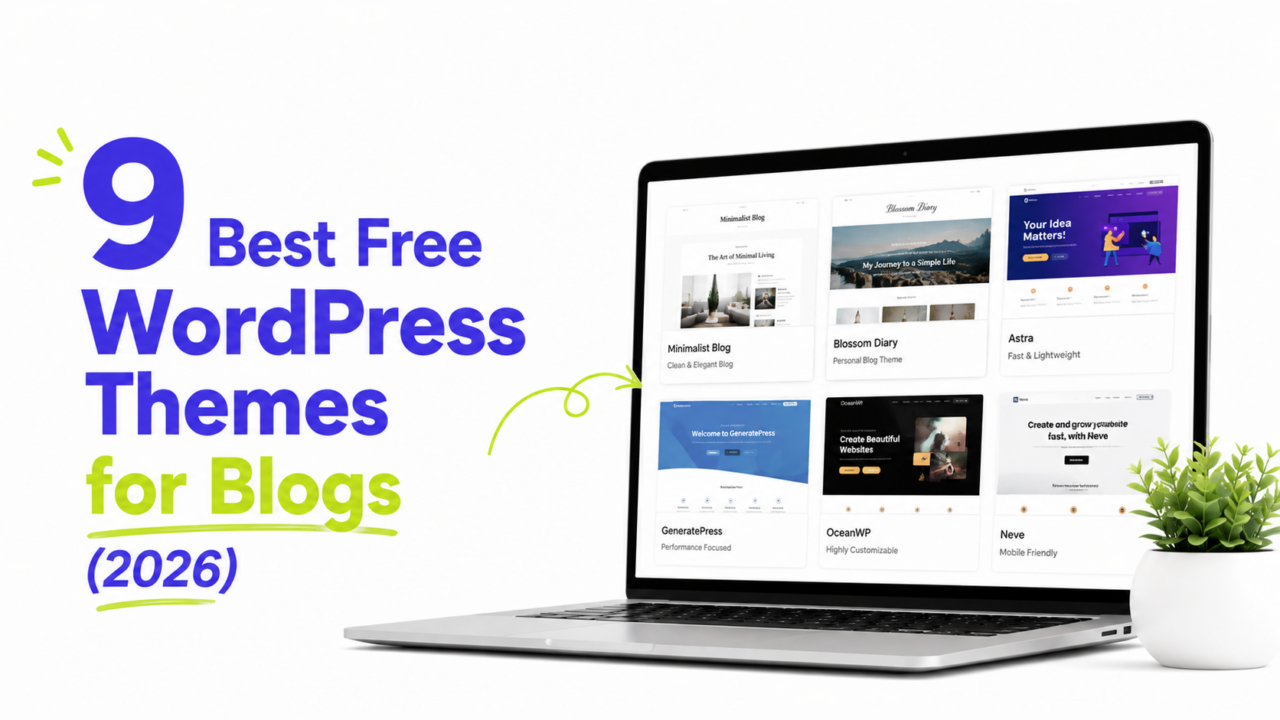
- Solid performance. The best free themes (like GeneratePress, Astra, and Kadence) are among the fastest available, period.
- Real customization. Modern free themes include color, font, layout, and even header/footer controls, often through Full Site Editing.
- Starter templates. Many offer one-click demo imports to get you a polished look fast.
- Security and updates. Themes from the official WordPress.org directory are reviewed and regularly maintained.
- Zero cost, zero risk. You can try several without spending anything, and switch freely.
For a huge number of sites, that’s everything you need.
What You Actually Lose (or Gain) With Premium
So what does paying unlock? A few things that genuinely matter right case:
- Advanced features. Premium tiers add things like mega menus, advanced header/footer builders, and deeper WooCommerce integrations.
- Niche-specific functionality. This is the big one. A premium real estate theme might include property listing templates and IDX hooks. A premium magazine theme might offer advanced ad-placement logic and sticky sidebars. Free themes rarely go this deep into a niche.
- Dedicated support. With premium, you get direct help when something breaks. Free themes rely on community forums, which are helpful but slower.
- More design differentiation. Premium themes can offer more distinctive, ready-made designs, so your site looks less like everyone else’s.
The key question is whether your project actually needs any of these. For many people, it doesn’t.
The Honest Trade-offs
Let’s be straight about both sides.
Free themes ask a little more of you. You might spend more time customizing to get a unique look, and if you hit a problem, you’re leaning on documentation and forums rather than a support desk. Some advanced features simply aren’t there.
Premium themes cost money, and sometimes lock you in. Beyond the price (often $40 to $70 a year), some premium themes tie you to their ecosystem, and you’re paying on an ongoing basis. That’s fine if you use the features, and wasted money if you don’t.
There’s also a middle path worth knowing: many themes use a “freemium” model. You start with the free version and upgrade only if you later need the premium features. This lets you begin free and pay only when there’s a clear reason to.
How to Decide
Here’s a simple way to choose:
Go free if you’re:
- Starting a blog, portfolio, or standard business site
- Comfortable spending a little time customizing
- Happy to use community support
- Watching your budget (especially when starting out)
Consider premium if you:
- Need niche-specific features (real estate, advanced e-commerce, magazine ad logic)
- Want dedicated, fast support
- Need a highly distinctive design out of the box
- Are running a site where those features directly drive revenue
For most readers of this blog, the free route is the smart starting point. You can always upgrade later, since most quality free themes have a clear premium path.
A Few Common Questions
1. Are free WordPress themes good enough for a professional site? Yes, for most sites. Free themes from developers like Astra, Kadence, and GeneratePress are production-quality, fast, secure, and regularly updated. The “free themes look cheap” era is over.
2. What’s the main advantage of a premium theme? Niche-specific features and dedicated support. If you need functionality a free theme doesn’t offer (like advanced e-commerce or real estate tools), or want direct help when issues arise, premium can be worth it.
3. Do premium themes load faster than free ones? Not necessarily. Some of the fastest themes available are free (GeneratePress, Astra). Speed depends on how well a theme is coded, not its price.
4. Can I start free and upgrade later? Yes, and it’s a smart approach. Many themes use a freemium model, so you can start with the free version and upgrade to premium only if and when you need the extra features.
So, Free or Premium?
The free vs premium WordPress themes debate has a clear answer for most people in 2026: start free, and our checklist for choosing the right theme helps you pick well. Free themes are fast, secure, and flexible enough for the vast majority of blogs and small sites, and our roundup of the best free WordPress themes for 2026 points you to the best.
Premium themes are worth it when you need specific niche features, dedicated support, or standout design, but that’s a smaller group than the sales pages suggest. When in doubt, start free, customize it your way, and upgrade only when you hit a real limit. Speaking of which, here’s how to customize a free theme without code to make it truly yours.